Blog / Ellisville Mazda Service

Blog

All Ellisville Mazda Service Ellisville Mazda Dealer Bommarito Mazda West County Local New Model Fun Activities Mazda Car Features Tips & Tricks 2026 Mazda Info Bommarito Mazda West County Service Local Activities 2025 Mazda Model Info Family Fun Local Eateries Things to Do Social Things to See Food Wildlife bommarito turn 4 experience Community Involvement Travel 2026 Mazda CX-90 bommarito 500 Brake Service Fitness
Five Signs Your Mazda's Battery Needs Replacement

Five Signs Your Mazda's Battery Needs Replacement

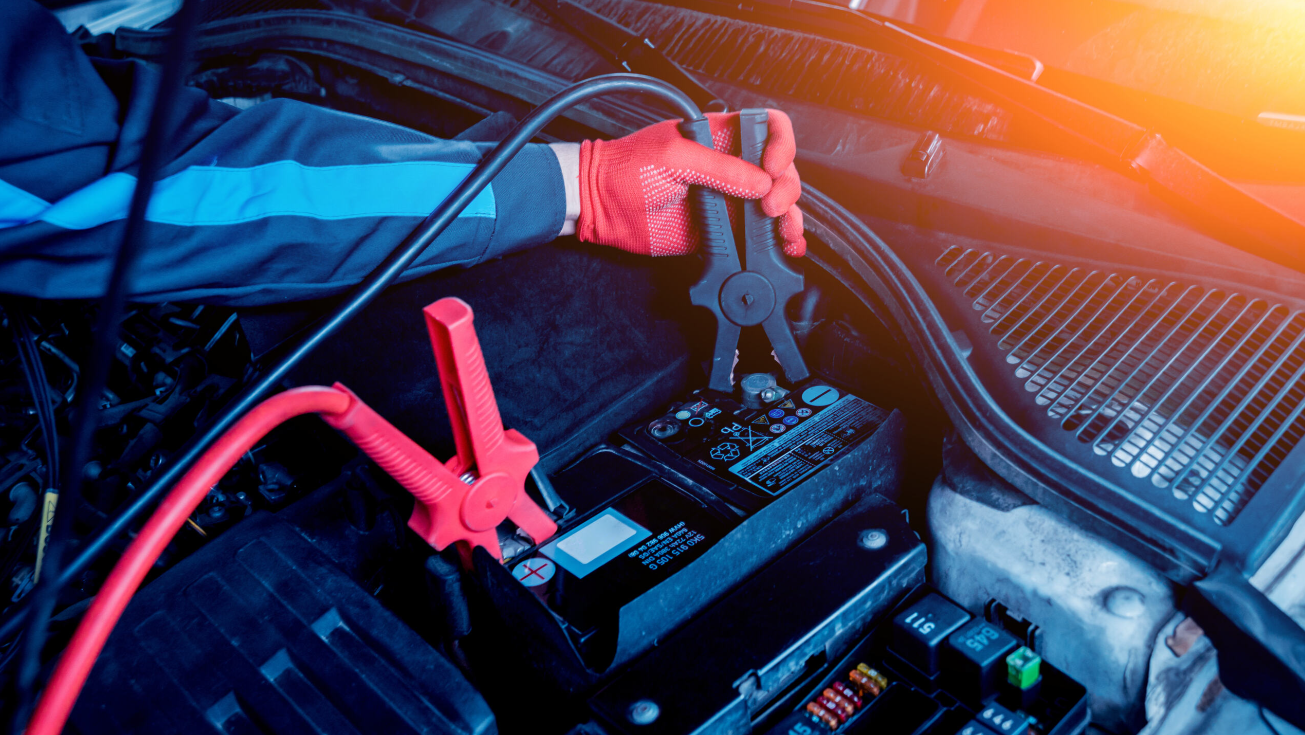
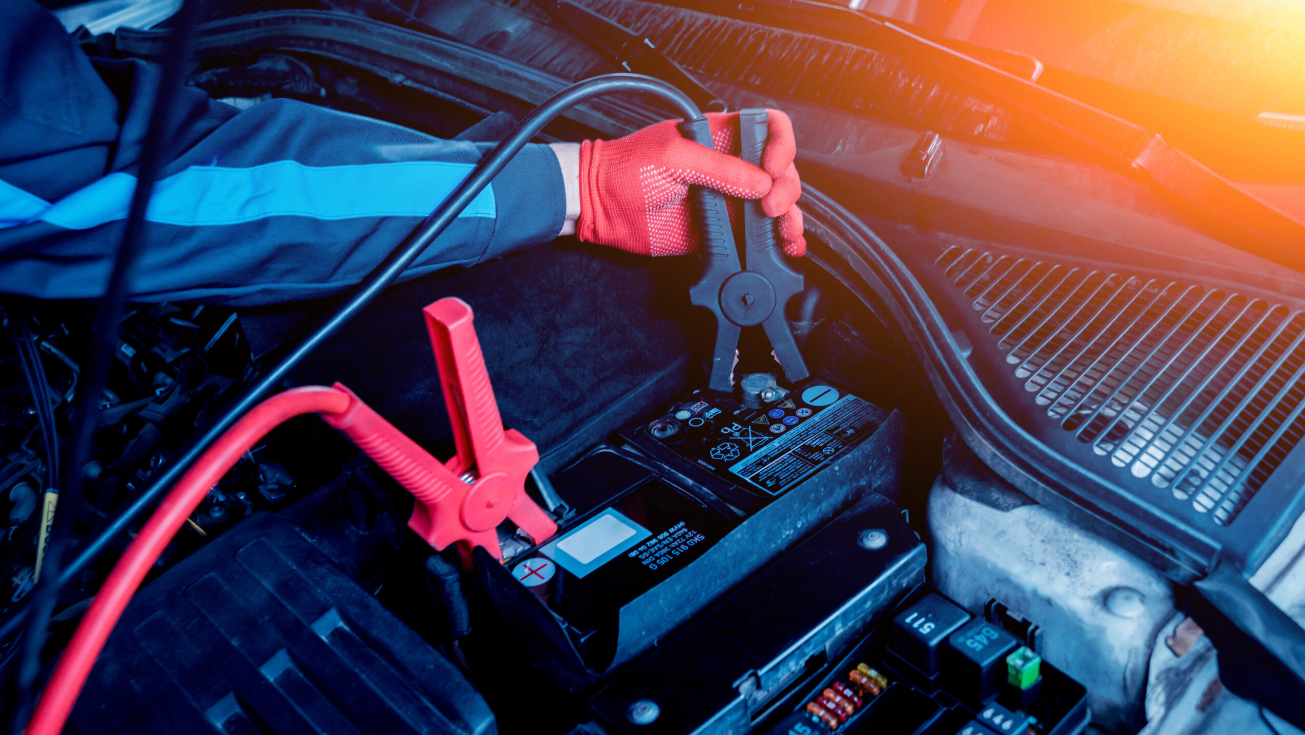
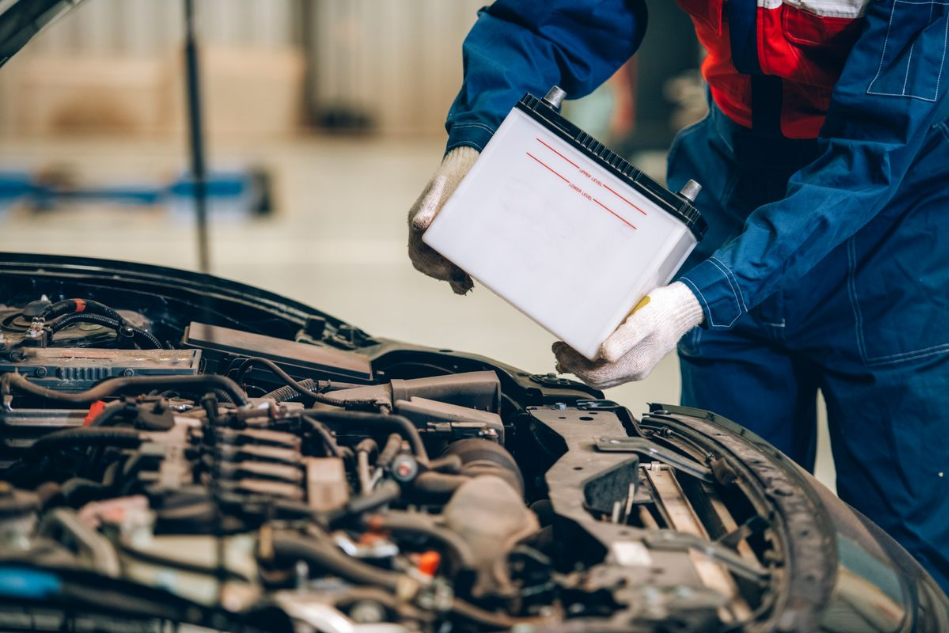
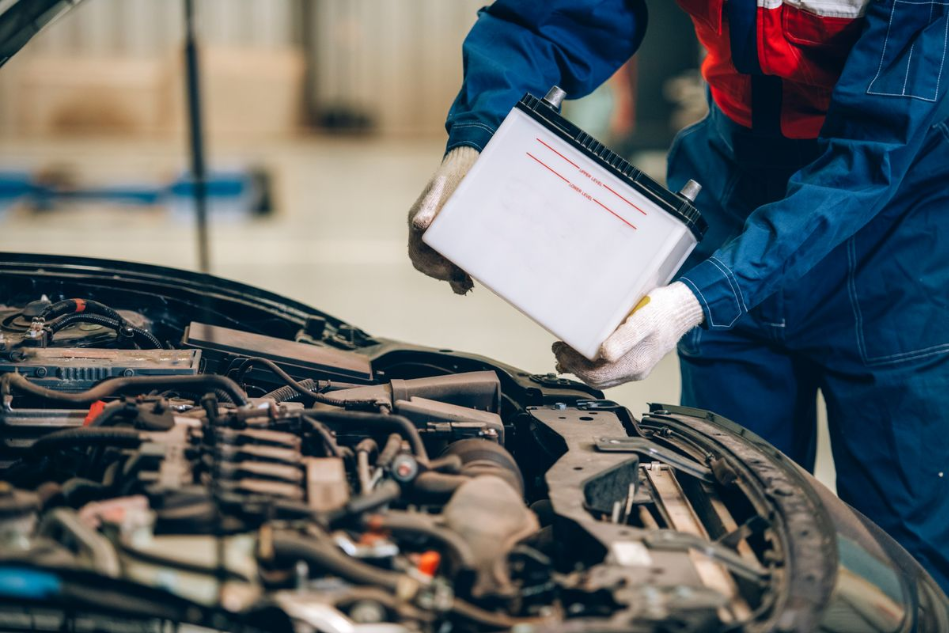
As car batteries get older, they degrade and become prone to power loss. Recognizing the warning signs means you can arrange a battery replacement at your local Mazda dealership before the electrical systems and the ignition fail completely. 1. Problems Starting One of the most common signs of a faulty battery is when it's difficult to start your car. You may hear the engine turning over slower than usual, or, in more extreme cases, you may just hear a clicking sound. This means there isn't enough power for the starter motor to crank the engine quickly enough for the car to start. more 2. Flickering or Fading Headlights The headlights on your Mazda should clearly illuminate the road ahead. If their brightness seems dimmer or the lights flicker, it may suggest that the battery is starting to fail. Problems with the headlights may be more obvious when other electrical systems are in use at the same time. This is because the total demand for electrical power is too much for a weak battery to handle. 3. Dim Dash Lights The dash on modern Mazdas is full of useful information, such as the infotainment system or the heads-up display. If any of the digital displays on the dash seem to be dim or flicker, the battery is likely to be the culprit. You may also notice the battery symbol on the dash is illuminated. This is an urgent sign that your battery is about to fail and needs to be replaced. 4. Visible Corrosion or Damage Although many of the telltale signs relate to changes in electrical performance, a check under the hood can also be revealing. If the battery shows signs of obvious corrosion, a replacement may be necessary. Look for a buildup of residue around the terminals or the cables. You may also notice the casing appears to be swollen or cracked. 5. Unpleasant Odors There are many possible faults that can cause an unpleasant odor in the cabin. If the battery has a leak, there may be a noticeable rotten egg or solvent-like smell. This is due to volatile chemicals inside the battery that escape and react with other chemicals. The type of smell you experience depends on the type of battery in your Mazda, but should always be investigated. Arrange a Battery Replacement at Your Local Mazda Dealership The early signs of battery failure can be subtle but can often worsen rapidly. If your Mazda has any of these issues, your local dealership can check your battery health. This ensures that a weak battery is replaced promptly before you are left to deal with a total loss of power. We can help with all kinds of battery checks and replacements for your Mazda. To schedule a service, contact us at Bommarito Mazda West County in Ellisville, MO. Image Via
6 Signs Your Mazda Needs a Transmission Service

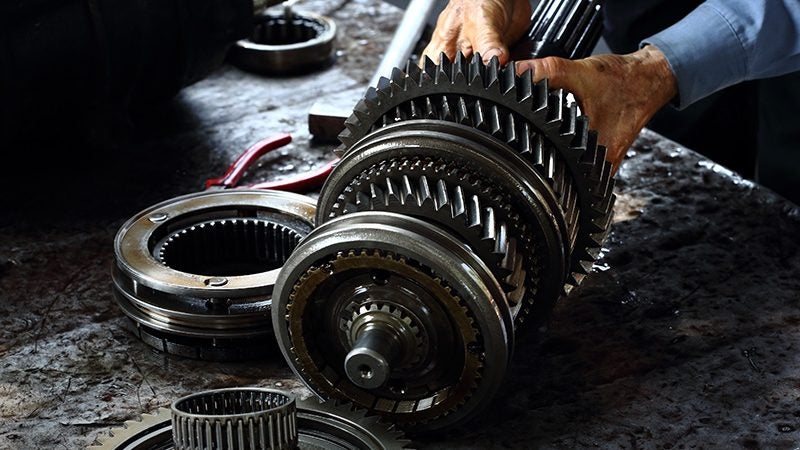
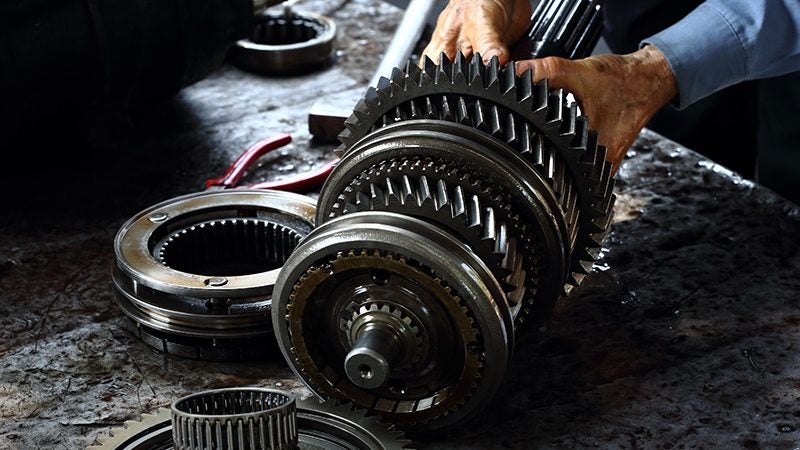
Transmission problems can be troublesome, but there's very little a transmission service from your local Mazda dealership can't fix. Whether you have a low transmission fluid level or need your transmission fully rebuilt, our technicians are ready to take on the job. more 6 Signs Your Mazda Needs a Transmission Service From Your Mazda Dealership in Ellisville, MO 1. The Car Is Refusing to Switch Gears If your vehicle can't shift gears, then you might have dirt in your transmission fluid. A low transmission fluid can also cause this issue. Make sure you check your owner's manual and see how frequently it recommends visiting the dealership for a transmission flush so you can try to prevent this from happening. 2. The Car Has a Burning Smell Any kind of burning smell produced by or present in your car is concerning. There are many issues that can cause this aroma to arise, including overheated transmission fluid. The fluid is supposed to have a tart or sweet smell, but it can smell like it's burning if it's overheating. Overheating transmission fluid can't protect your car adequately, so the problem needs to be addressed promptly. 3. The Car Is Slipping Gears Timing is one of the most important parts of gear shifts. If the car doesn't shift at the right time, then the engine might rev too much when accelerating, and gear shifts might feel harsh while decelerating. This can make it feel like it's difficult to control your vehicle. 4. The Car Is Getting Loud in Neutral If your car starts making any new or loud noises at any point, then it's a sign to get it checked out. Noises that may occur when your transmission needs some attention include grinding and bumping sounds that happen while the car is in neutral. This can happen when your vehicle has low transmission fluid, but it can also happen because there's a more serious issue present. 5. The Car Is Shifting Roughly If your car is jolting, shaking, kicking, or grinding during gear shifts, then your vehicle needs a checkup. Any kind of new vibrations that occur while you're vehicle is shifting gears let you know there's something not quite right. 6. The Car Is Leaking Fluid Fluid leaks are typically easy to identify because you'll spot a pool of liquid near or under your car. When your transmission fluid is leaking, the fluid will probably be bright red, but it may be brown or close to black if it's contaminated or old. Come to Bommarito Mazda West County in Ellisville, MO, for all your transmission repair needs. We can also work on any other faulty component in your car.

3 Signs Your Mazda Needs Maintenance

As time passes, systems and components will wear out due to age or damage, affecting vehicle performance. As your Mazda dealership, we'd like you to know a few signs you need to visit us for Mazda maintenance. more 3 Signs You Need To Visit Your Mazda Dealership for Mazda Maintenance Screeching or Grinding Brakes Healthy brakes don't make any sound when they work. If you hear screeching or grinding noises each time you hit the brakes, your brake pads need replacement. The brake pads fit into the calipers, and when you hit the brakes, the calipers are forced against the wheel rotors. Each pad has a material covering that generates friction against its rotor, and this friction forces it to stop. The friction material covering gradually wears down, revealing a spike inside the pad. The spike scratches against the rotor, producing a screeching noise as a warning the pad needs replacement. If the pad isn't replaced, the coating will wear off, and the metal under the covering will scour the rotor surface, producing a grinding noise. We can replace your pads within minutes and repair any rotor damage. Starting Problems When you hit the start button, your Mazda engine should come to life within seconds. If your engine struggles to start, the most common cause is a weak battery. Starting problems can also be caused by a worn starter or a failing alternator. These three components work together to start your vehicle. The starter cranks the engine, the battery provides the electricity to power the starter, and the alternator ensures the battery always has sufficient charge. The battery steadily weakens as time passes, as the chemicals that allow it to store electricity break down. The alternator has a longer lifespan but produces less electricity as it ages, reducing battery recharging. The starter solenoid can fail, preventing the starter from receiving the electrical charge needed to crank the engine. Our technicians will repair or replace the damaged component. Low Tire Pressure Your Mazda has a Tire Pressure Monitoring System (TPMS) that uses sensors to monitor the pressure in each tire. Tire pressure can drop due to a leak or changes in the external air pressure. On average, tires will lose 1 to 2 PSI monthly as the pressure inside them equalizes with the outside air. Low tire pressure causes the tire sidewalls to droop, exposing them to damage from surface friction. Underinflated tires produce more resistance, which increases braking distance and decreases braking efficiency. You'll also use more fuel due to the increased drag caused by this resistance. We'll correct your tire pressure and check if the tires are damaged and need replacement. If your Mazda isn't working as perfectly as it should, contact us today at Bommarito Mazda West County in Ellisville, MO.

Need New Tires? Visit Your Mazda Dealership Today!

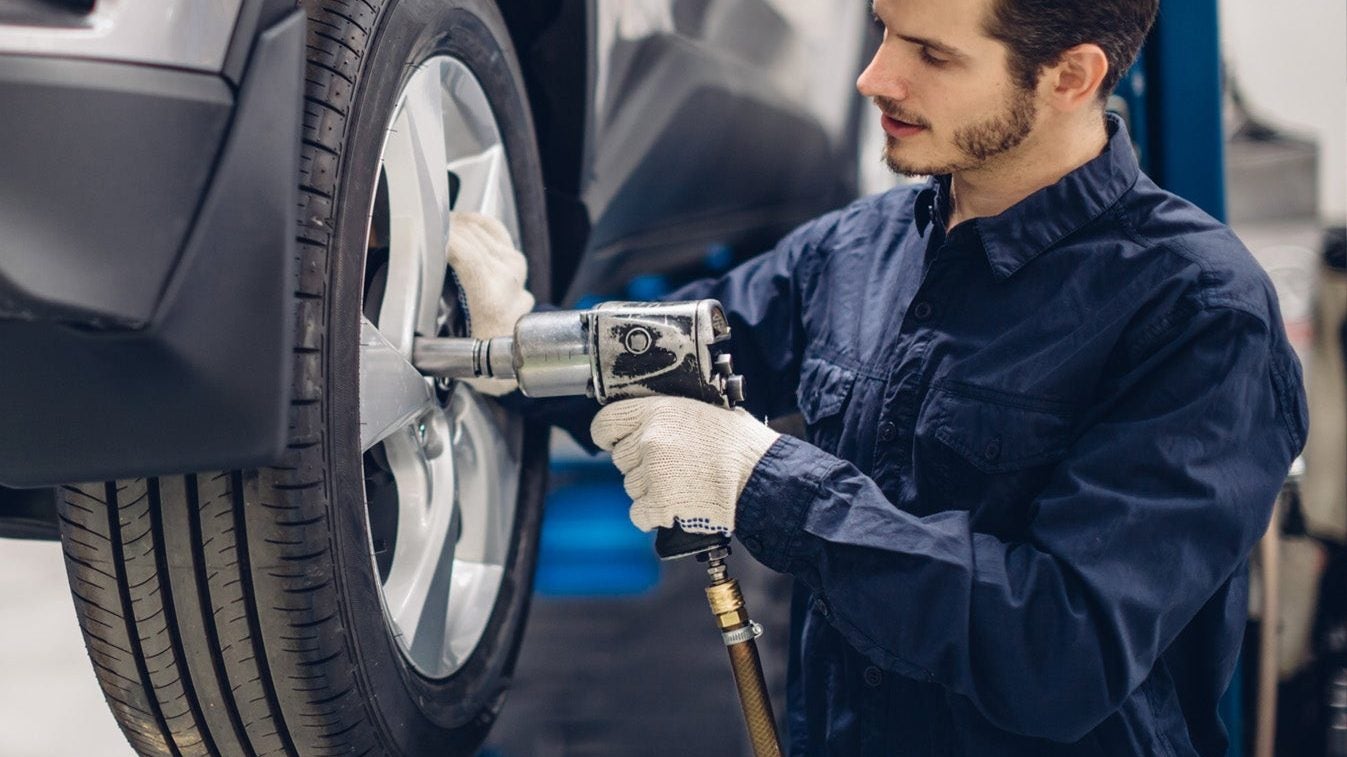
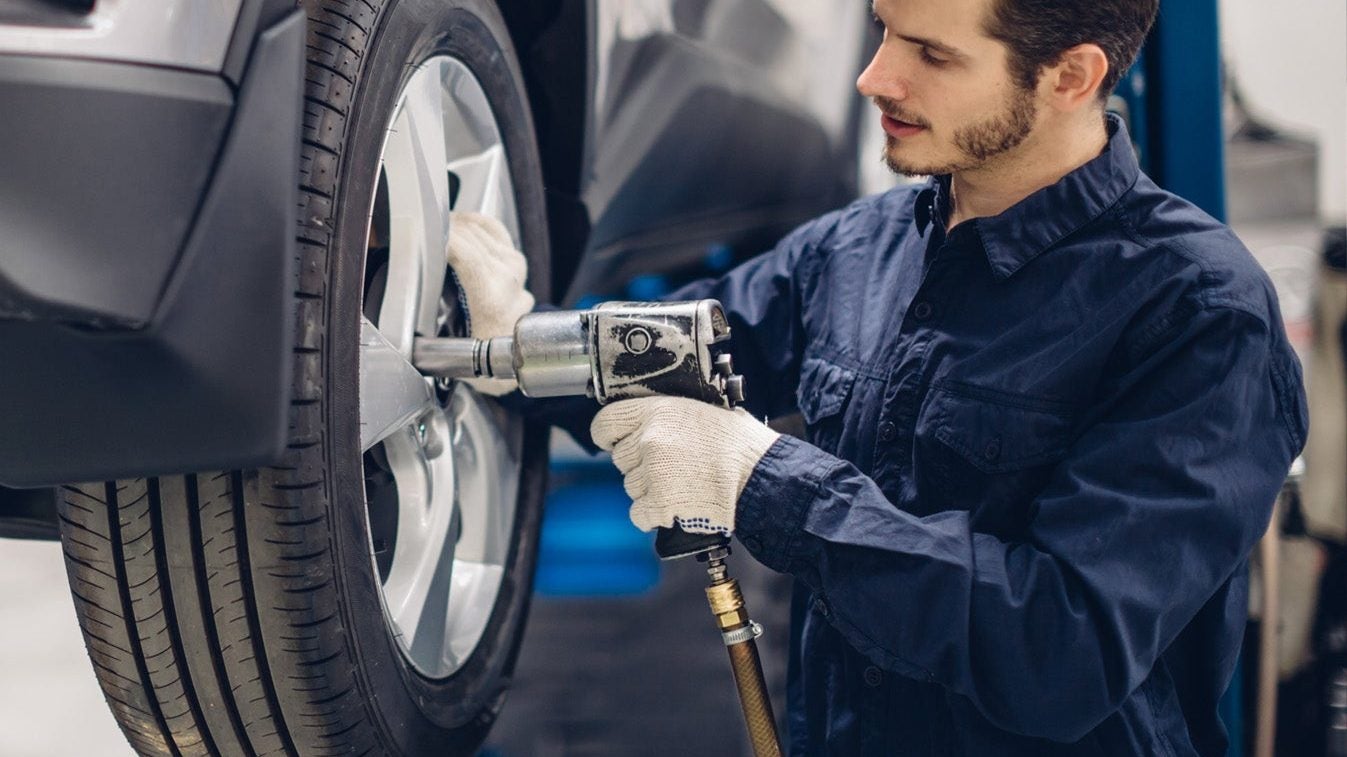
Worn or damaged tires make driving stressful and dangerous because they increase your braking distance, potentially resulting in a blowout or a leak. As your West County Mazda dealership, we're here to bring awareness to tire health. Here's a few signs you need to visit us for new tires: more Sidewall Damage The tire sidewall is the section of the tire that's perpendicular to the road surface. it's made from a thinner and softer rubber than the tread, and it also lacks the tread's metal and polymer reinforcement. The softer rubber provides increased flexibility, but it also makes it more prone to potential damage. The sidewalls can become damaged by sharp objects like stones, nails, or other small debris thrown up from the road. A small leak in the sidewall can be difficult to spot, but it will cause the tire pressure to drop. If the pressure drops low enough, the tire will sag, exposing part of the sidewall to friction with the surface. The sidewall will suffer increased damage due to the lack of reinforcement, and your tire can fail. We'll examine your tires and repair them if possible. If a tire is severely damaged, we'll install a replacement. Overinflated Tires Overinflation is just as damaging to a tire as underinflation. Your tires have a set pressure, and the correct pressure is determined during your vehicle's design process. As you drive, friction with the surface causes the air inside a tire to heat up, increasing the tire's internal pressure. When your vehicle is at rest, the air will cool, and the tire pressure will return to normal. An overinflated tire has too much air, and this causes the tire rubber to stretch thinner than it should. The increased internal pressure when the excess air heats up, combined with the stretched rubber, makes a blowout more likely. This is a dangerous situation, particularly if a blowout happens when you're driving at high speed. We can easily correct your tire pressure, and we'll check the tire for damage. Tread Wear Bars Tread wear bars are raised rubber sections that are built into your tires. They run perpendicular to the tread and are almost invisible when your tread is in good condition. As your tread wears down, the wear bars will become more prominent and need to be monitored. You can get a rough idea of your tire condition by running your finger over the tread and wear bars. If the wear bars are lower than the tread, your tire is still in good condition. If you feel the wear bars are level with the tread, your tires are worn and will need replacement. We'll check your tires to confirm this diagnosis and replace and balance them if they're damaged. If your tires are worn, we encourage you to visit us today at Bommarito Mazda West County in Ellisville, MO.

3 Signs Your Mazda Needs a New Battery

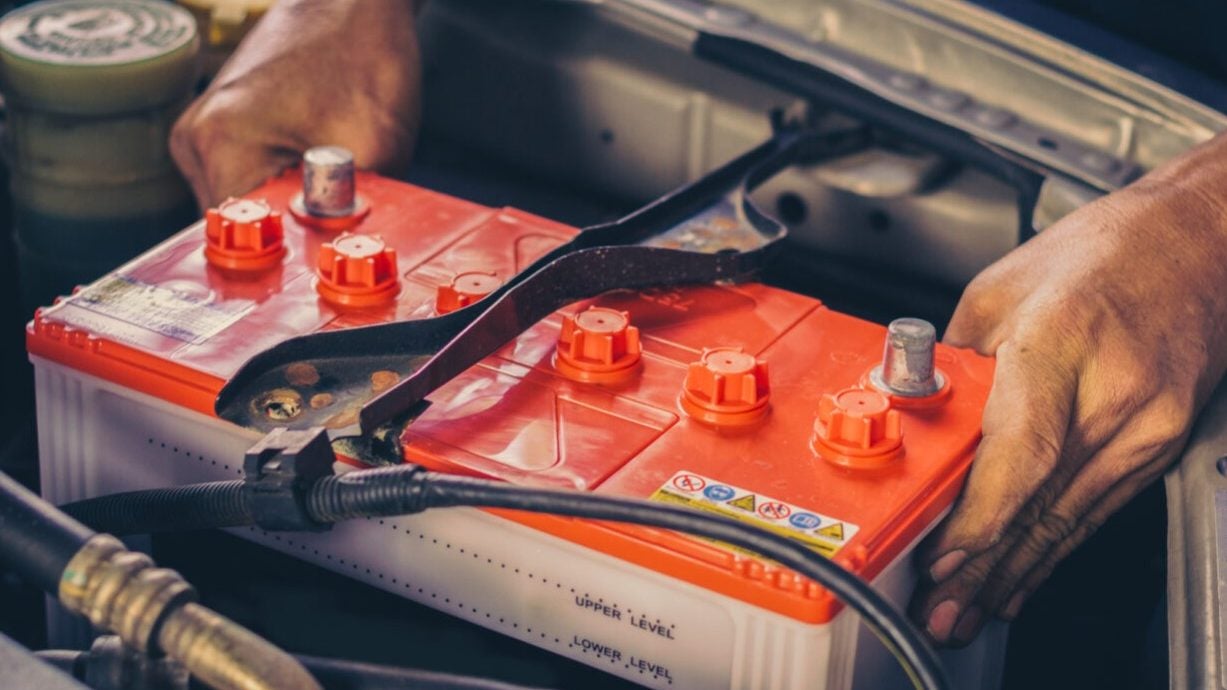
A dead battery will inevitably happen at the worst possible time. Fortunately, there are always signs that your battery is in trouble, and this gives you sufficient time to visit your Mazda dealer for a replacement. We'd like to tell you some signs that you'll need a new car battery fairly soon. more 3 Signs You Need a New Car Battery From Your Mazda Dealer Dead Battery The average life of a battery is three to five years. This relatively short life is caused by the gradual, naturally occurring breakdown of sulfuric acid inside the battery. This breakdown reduces the battery's electricity storage capacity and eventually prevents it from recharging. A battery can also die due to the failure of other electrical system components. A weakening alternator, for example, won't fully recharge the battery and ​​​​​​​​​​​​​​​​​​​​​​​​​​​​​​​​​​​​will slowly weaken. Loose or damaged battery cables or corroded terminals will also reduce or prevent recharging. Our technicians will examine and test your battery using our computerized battery tester. If an electrical fault has caused the failure, we'll find and repair it. If the battery has failed due to age, we'll install a new one. Extreme Temperatures The average battery works most efficiently under moderate external temperatures. Sustained extreme heat or cold causes failures within the battery and will cause it to die. Hot conditions, coupled with the natural high temperature within the engine, can cause the battery's electrolyte solution to heat up and boil. Extreme cold, in contrast, causes the electrolyte to freeze. This reduces battery capacity and makes starting the engine more difficult as the solution has to heat up. Our technicians will examine your battery and replace it if necessary. We can also recommend and supply batteries specifically designed to work under extreme temperature conditions. Corroded Connectors Corrosion not only damages metal, it interferes with electrical conductivity. An older battery is more susceptible to corrosion, as the sulfuric acid inside it releases hydrogen gas as it breaks down. The hydrogen gas joins with sulfur molecules to form hydrogen sulfide. This new chemical is toxic and corrosive and is drawn to the battery terminals, which rapidly start to corrode. The corrosion will eventually destroy the battery terminals, but before this happens, battery recharging will become problematic. It forms a barrier that prevents electricity from easily passing into and out of the battery. We can clean the corrosion, but it will return if your battery is failing. Replacing your battery will end this problem. We advise visiting us for a battery test when your battery is three years old. Our computerized tester can identify any possible weaknesses in the battery and provide a heads-up on its potential remaining life. Visit us today at Bommarito Mazda West Country in Ellisville, MO.

Getting a New Car Battery for Your Mazda

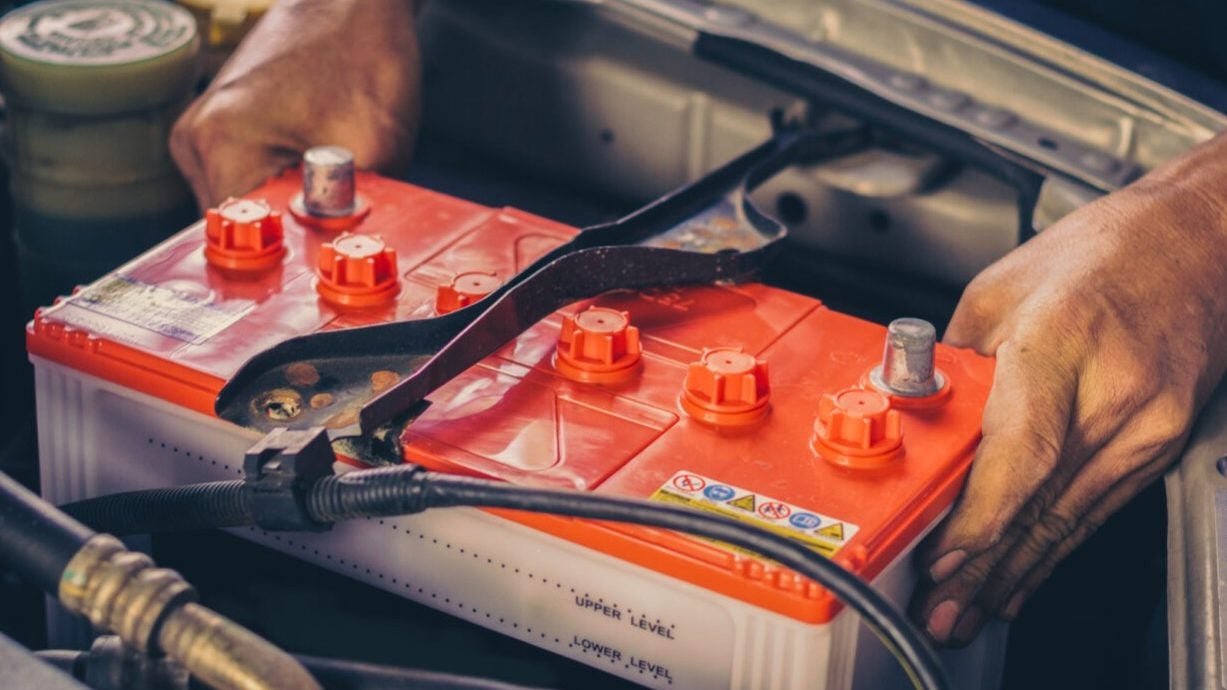
Image via Shutterstock A car's battery plays a vital role in starting the engine and powering essential electronics. As batteries age, their ability to hold a charge diminishes over time, which can negatively impact your vehicle's performance and reliability. If you notice any of the following signs, it may be time for a new car battery from your local Mazda dealer. more 1. Slow Cranking One of the early signs of a weak battery is the engine taking longer than normal to turn over when starting. A good battery should crank the engine swiftly. Slow cranking means it's not supplying optimum power to the starter motor. 2. Dim Lights Over time, headlights, taillights, and dash lights may seem dimmer than before when switched on. This can indicate the battery is struggling to provide full voltage and brightness to lighting systems. 3. Strange Electrical Problems Beyond lighting issues, wavering power to other parts like the radio, windows, and mirrors may point to an aging battery that isn't maintaining stable current flow. Intermittent glitches could worsen and cause increasingly unpredictable problems on the road. 4. Shorter Than Normal Start Times Over multiple years, batteries steadily lose the capacity to hold a charge. You'll likely find your Mazda needs longer cranking periods each time before turning over. This is a sign the battery isn't storing enough reserve power for easy, reliable starting. 5. Battery Over 3 Years Old The typical lifespan of an automotive battery is 3-5 years. Even if there are no noticeable issues, after 3 years, its ability to perform is often compromised. Rather than risking sudden failure, consider proactively replacing batteries this old or older. 6. White/Green Deposits on Terminals Corrosion buildup at battery terminals in the form of white or green deposits indicates acid leaks from the battery that is in the process of failing. Corrosion prevents a good connection and power transfer, which can cause start issues. 7. Cold Weather Sensitivity Cold temperatures place extra demands on batteries and make underlying issues worse. If your Mazda has a hard time starting in winter, even with the proper maintenance, like testing and charging, the battery may have reached the end of its service life. 8. Professional Diagnosis The best way to confirm if your battery truly needs replacing is through a load test by an expert. Your local Mazda dealer can accurately diagnose battery health and install a new, high-quality replacement if required. 9. Battery is Leaking Fluid If battery overflow components are corroded or fluid is leaking from cracks, it's reached the end of its life expectancy and needs to be replaced. Don't wait until your battery has totally died to consider a replacement. Visit us today at Bommarito Mazda West County in Ellisville, MO, for an expert battery evaluation and an affordable new battery if needed. We promise professional service for all your Mazda battery needs.

How Often Should Your Mazda Get an Oil Change?

Image via Shutterstock Oil may not be a glamorous topic, but it's something that our beloved vehicles can't run without. Not sure how often you should treat your Mazda to this vital service? Head over to your Mazda dealer for some help getting on a schedule for your oil changes. more Get in the Rhythm of Changing Your Oil For most Mazda vehicles, the magic number is every 5,000 to 7,500 miles or every six months, whichever comes first. However, this can vary based on your driving habits and the specific model of your Mazda. If you're often in stop-and-go traffic, take lots of short trips, or have a turbocharged engine, you might need to swing by to change your oil more frequently. Don't forget to take a peek at your owner's manual to check specific recommendations. Don't Slack: The Consequences of Not Changing the Oil Now, let's talk about what happens if you play the waiting game. Oil is critical to your engine's functioning. It lubricates parts, keeps things cool, and helps to keep the engine clean. Skip regular changes, and you're looking at possible engine damage, decreased fuel efficiency, and potentially even a shorter lifespan for your vehicle. If worse comes to worst, you might even face a complete engine failure. There's a pricey problem you definitely want to avoid. When Is It Time for an Oil Change at the Mazda Dealer? If you've lost track of how long it's been since you changed your Mazda's oil, don't panic! There are some signs that can indicate it's past time to show it some love. Check Engine or Oil Light This one's a no-brainer. If your Mazda is flashing warning lights at you, it's trying to tell you something. Don't ignore it! Dark Oil on the Dipstick Take a moment to check your oil level and quality with the dipstick. If the oil is dark and gritty, it's time for a change. If it's just low but still a clear amber color, you may be able to top it off. Engine Noise and Knocking Healthy, fresh oil provides a protective buffer between engine parts. When the oil gets old and dirty, that buffer is less effective, and you might start to hear some unusual noises under the hood. Oil Smell Inside the Car If you start to smell oil inside your Mazda, it could be a sign of an oil leak, which is a clear signal it's time to head to the service center. Exhaust Smoke A little translucent vapor is perfectly normal, but if your exhaust is trailing smoke, it could indicate an oil leak as well. Regularly changing the oil in your Mazda is the secret ingredient to a long and happy life for your vehicle. Keep up with those regular visits to ensure your car stays in tip-top shape. Ready for fresh oil? Schedule a service appointment today at Bommarito Mazda West County and protect your engine.

Contact Us

Fill out this form below and we'll contact you shortly
*Required Fields