Blog / Bommarito Mazda West County Service

Blog

All Bommarito Mazda West County Service Ellisville Mazda Dealer Bommarito Mazda West County Local New Model Fun Activities Mazda Car Features 2026 Mazda Info Tips & Tricks Local Activities Ellisville Mazda Service 2025 Mazda Model Info Family Fun Local Eateries Things to Do Social Things to See Food Wildlife bommarito turn 4 experience Community Involvement Travel 2026 Mazda CX-90 bommarito 500 Brake Service Fitness 2026 Mazda CX-5 2026 Mazda CX-5 at Bommarito Mazda West County 2027 Mazda CX-30 2027 Mazda CX-30 Trim Levels CX-30 Trim Near Ellisville, MO

Getting a New Car Battery for Your Mazda

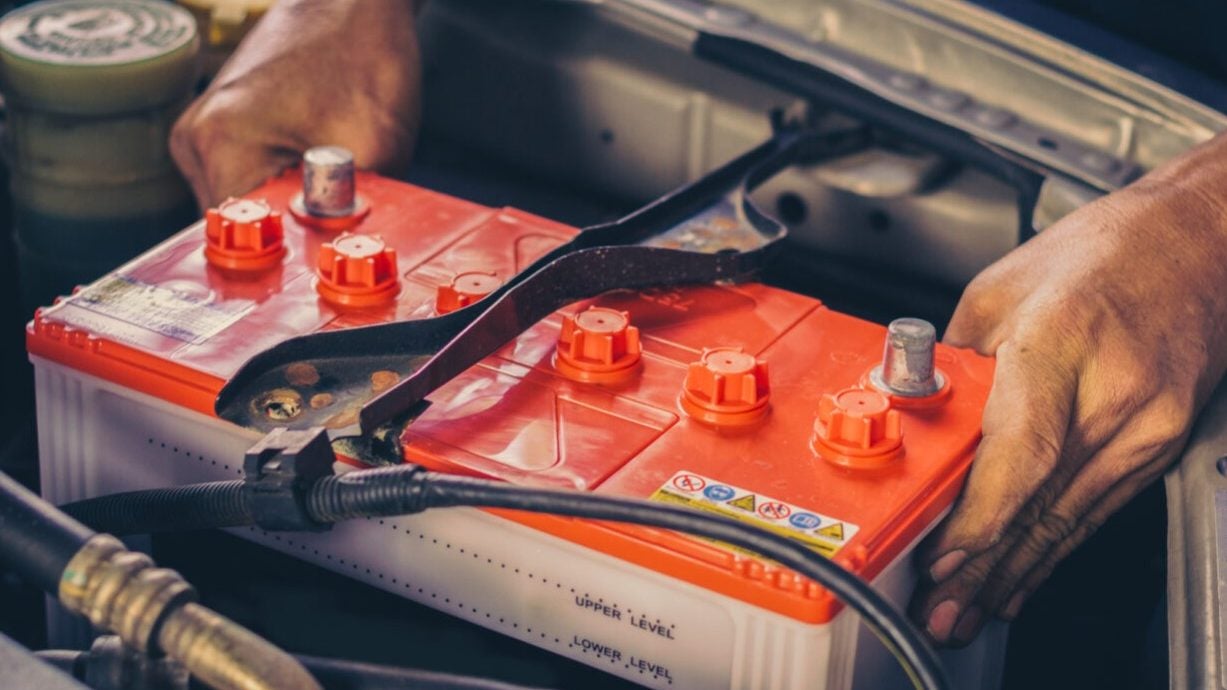
Image via Shutterstock A car's battery plays a vital role in starting the engine and powering essential electronics. As batteries age, their ability to hold a charge diminishes over time, which can negatively impact your vehicle's performance and reliability. If you notice any of the following signs, it may be time for a new car battery from your local Mazda dealer. more 1. Slow Cranking One of the early signs of a weak battery is the engine taking longer than normal to turn over when starting. A good battery should crank the engine swiftly. Slow cranking means it's not supplying optimum power to the starter motor. 2. Dim Lights Over time, headlights, taillights, and dash lights may seem dimmer than before when switched on. This can indicate the battery is struggling to provide full voltage and brightness to lighting systems. 3. Strange Electrical Problems Beyond lighting issues, wavering power to other parts like the radio, windows, and mirrors may point to an aging battery that isn't maintaining stable current flow. Intermittent glitches could worsen and cause increasingly unpredictable problems on the road. 4. Shorter Than Normal Start Times Over multiple years, batteries steadily lose the capacity to hold a charge. You'll likely find your Mazda needs longer cranking periods each time before turning over. This is a sign the battery isn't storing enough reserve power for easy, reliable starting. 5. Battery Over 3 Years Old The typical lifespan of an automotive battery is 3-5 years. Even if there are no noticeable issues, after 3 years, its ability to perform is often compromised. Rather than risking sudden failure, consider proactively replacing batteries this old or older. 6. White/Green Deposits on Terminals Corrosion buildup at battery terminals in the form of white or green deposits indicates acid leaks from the battery that is in the process of failing. Corrosion prevents a good connection and power transfer, which can cause start issues. 7. Cold Weather Sensitivity Cold temperatures place extra demands on batteries and make underlying issues worse. If your Mazda has a hard time starting in winter, even with the proper maintenance, like testing and charging, the battery may have reached the end of its service life. 8. Professional Diagnosis The best way to confirm if your battery truly needs replacing is through a load test by an expert. Your local Mazda dealer can accurately diagnose battery health and install a new, high-quality replacement if required. 9. Battery is Leaking Fluid If battery overflow components are corroded or fluid is leaking from cracks, it's reached the end of its life expectancy and needs to be replaced. Don't wait until your battery has totally died to consider a replacement. Visit us today at Bommarito Mazda West County in Ellisville, MO, for an expert battery evaluation and an affordable new battery if needed. We promise professional service for all your Mazda battery needs.
Getting a New Car Battery for Your Mazda

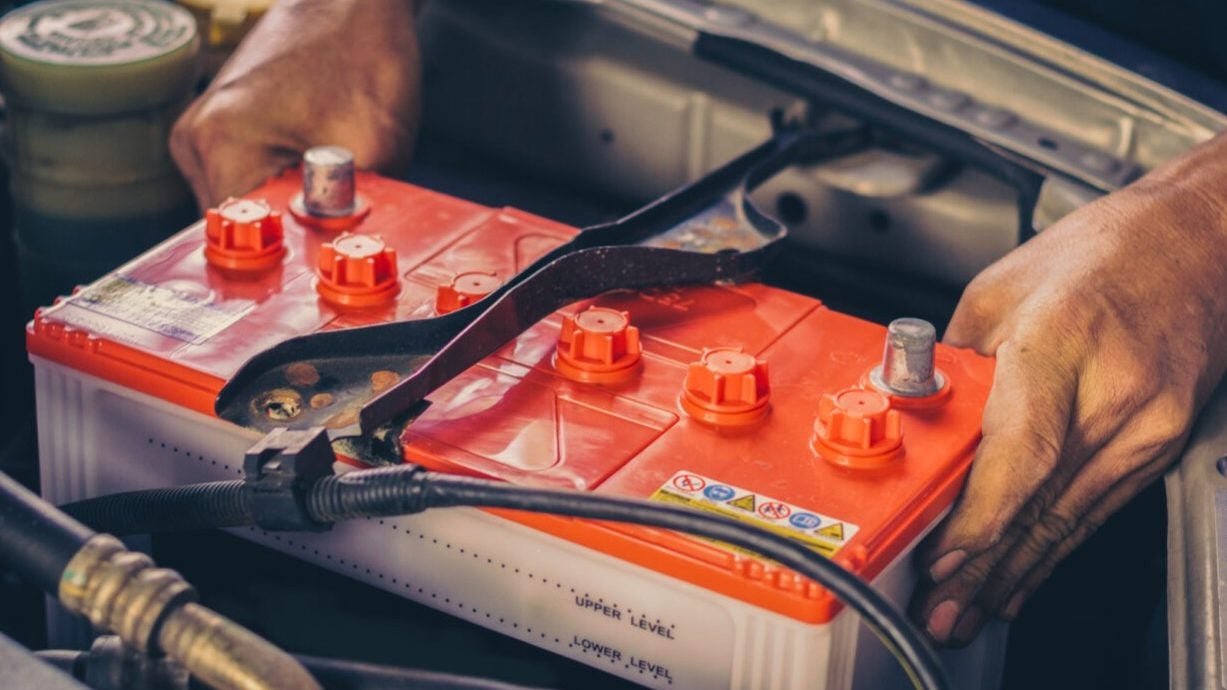
Image via Shutterstock A car's battery plays a vital role in starting the engine and powering essential electronics. As batteries age, their ability to hold a charge diminishes over time, which can negatively impact your vehicle's performance and reliability. If you notice any of the following signs, it may be time for a new car battery from your local Mazda dealer. more 1. Slow Cranking One of the early signs of a weak battery is the engine taking longer than normal to turn over when starting. A good battery should crank the engine swiftly. Slow cranking means it's not supplying optimum power to the starter motor. 2. Dim Lights Over time, headlights, taillights, and dash lights may seem dimmer than before when switched on. This can indicate the battery is struggling to provide full voltage and brightness to lighting systems. 3. Strange Electrical Problems Beyond lighting issues, wavering power to other parts like the radio, windows, and mirrors may point to an aging battery that isn't maintaining stable current flow. Intermittent glitches could worsen and cause increasingly unpredictable problems on the road. 4. Shorter Than Normal Start Times Over multiple years, batteries steadily lose the capacity to hold a charge. You'll likely find your Mazda needs longer cranking periods each time before turning over. This is a sign the battery isn't storing enough reserve power for easy, reliable starting. 5. Battery Over 3 Years Old The typical lifespan of an automotive battery is 3-5 years. Even if there are no noticeable issues, after 3 years, its ability to perform is often compromised. Rather than risking sudden failure, consider proactively replacing batteries this old or older. 6. White/Green Deposits on Terminals Corrosion buildup at battery terminals in the form of white or green deposits indicates acid leaks from the battery that is in the process of failing. Corrosion prevents a good connection and power transfer, which can cause start issues. 7. Cold Weather Sensitivity Cold temperatures place extra demands on batteries and make underlying issues worse. If your Mazda has a hard time starting in winter, even with the proper maintenance, like testing and charging, the battery may have reached the end of its service life. 8. Professional Diagnosis The best way to confirm if your battery truly needs replacing is through a load test by an expert. Your local Mazda dealer can accurately diagnose battery health and install a new, high-quality replacement if required. 9. Battery is Leaking Fluid If battery overflow components are corroded or fluid is leaking from cracks, it's reached the end of its life expectancy and needs to be replaced. Don't wait until your battery has totally died to consider a replacement. Visit us today at Bommarito Mazda West County in Ellisville, MO, for an expert battery evaluation and an affordable new battery if needed. We promise professional service for all your Mazda battery needs.

How Often Should Your Mazda Get an Oil Change?

Image via Shutterstock Oil may not be a glamorous topic, but it's something that our beloved vehicles can't run without. Not sure how often you should treat your Mazda to this vital service? Head over to your Mazda dealer for some help getting on a schedule for your oil changes. more Get in the Rhythm of Changing Your Oil For most Mazda vehicles, the magic number is every 5,000 to 7,500 miles or every six months, whichever comes first. However, this can vary based on your driving habits and the specific model of your Mazda. If you're often in stop-and-go traffic, take lots of short trips, or have a turbocharged engine, you might need to swing by to change your oil more frequently. Don't forget to take a peek at your owner's manual to check specific recommendations. Don't Slack: The Consequences of Not Changing the Oil Now, let's talk about what happens if you play the waiting game. Oil is critical to your engine's functioning. It lubricates parts, keeps things cool, and helps to keep the engine clean. Skip regular changes, and you're looking at possible engine damage, decreased fuel efficiency, and potentially even a shorter lifespan for your vehicle. If worse comes to worst, you might even face a complete engine failure. There's a pricey problem you definitely want to avoid. When Is It Time for an Oil Change at the Mazda Dealer? If you've lost track of how long it's been since you changed your Mazda's oil, don't panic! There are some signs that can indicate it's past time to show it some love. Check Engine or Oil Light This one's a no-brainer. If your Mazda is flashing warning lights at you, it's trying to tell you something. Don't ignore it! Dark Oil on the Dipstick Take a moment to check your oil level and quality with the dipstick. If the oil is dark and gritty, it's time for a change. If it's just low but still a clear amber color, you may be able to top it off. Engine Noise and Knocking Healthy, fresh oil provides a protective buffer between engine parts. When the oil gets old and dirty, that buffer is less effective, and you might start to hear some unusual noises under the hood. Oil Smell Inside the Car If you start to smell oil inside your Mazda, it could be a sign of an oil leak, which is a clear signal it's time to head to the service center. Exhaust Smoke A little translucent vapor is perfectly normal, but if your exhaust is trailing smoke, it could indicate an oil leak as well. Regularly changing the oil in your Mazda is the secret ingredient to a long and happy life for your vehicle. Keep up with those regular visits to ensure your car stays in tip-top shape. Ready for fresh oil? Schedule a service appointment today at Bommarito Mazda West County and protect your engine.

How Often Should Your Mazda Get an Oil Change?

Image via Shutterstock Oil may not be a glamorous topic, but it's something that our beloved vehicles can't run without. Not sure how often you should treat your Mazda to this vital service? Head over to your Mazda dealer for some help getting on a schedule for your oil changes. more Get in the Rhythm of Changing Your Oil For most Mazda vehicles, the magic number is every 5,000 to 7,500 miles or every six months, whichever comes first. However, this can vary based on your driving habits and the specific model of your Mazda. If you're often in stop-and-go traffic, take lots of short trips, or have a turbocharged engine, you might need to swing by to change your oil more frequently. Don't forget to take a peek at your owner's manual to check specific recommendations. Don't Slack: The Consequences of Not Changing the Oil Now, let's talk about what happens if you play the waiting game. Oil is critical to your engine's functioning. It lubricates parts, keeps things cool, and helps to keep the engine clean. Skip regular changes, and you're looking at possible engine damage, decreased fuel efficiency, and potentially even a shorter lifespan for your vehicle. If worse comes to worst, you might even face a complete engine failure. There's a pricey problem you definitely want to avoid. When Is It Time for an Oil Change at the Mazda Dealer? If you've lost track of how long it's been since you changed your Mazda's oil, don't panic! There are some signs that can indicate it's past time to show it some love. Check Engine or Oil Light This one's a no-brainer. If your Mazda is flashing warning lights at you, it's trying to tell you something. Don't ignore it! Dark Oil on the Dipstick Take a moment to check your oil level and quality with the dipstick. If the oil is dark and gritty, it's time for a change. If it's just low but still a clear amber color, you may be able to top it off. Engine Noise and Knocking Healthy, fresh oil provides a protective buffer between engine parts. When the oil gets old and dirty, that buffer is less effective, and you might start to hear some unusual noises under the hood. Oil Smell Inside the Car If you start to smell oil inside your Mazda, it could be a sign of an oil leak, which is a clear signal it's time to head to the service center. Exhaust Smoke A little translucent vapor is perfectly normal, but if your exhaust is trailing smoke, it could indicate an oil leak as well. Regularly changing the oil in your Mazda is the secret ingredient to a long and happy life for your vehicle. Keep up with those regular visits to ensure your car stays in tip-top shape. Ready for fresh oil? Schedule a service appointment today at Bommarito Mazda West County and protect your engine.

Meet the 2019 Mazda CX-9

The Mazda CX-9 is a standout in the 3-row, 7-passenger crossover segment. The 2019 arrives with some changes including the addition of Apple CarPlay and Android Auto to the Touring trim and higher. The Grand Touring model gets a new 7-inch configurable gauge cluster along with ventilated seats up front and a 360-degree surround-view camera. The Trim Levels The 2019 CX-9 comes in four different trim levels. The entry-level Sport comes with 18-inch wheels and LED headlights, while the Touring trim adds automatic headlights, a power litigate, and heated side door mirrors. Choosing the Grand Touring model gets you 20-inch wheels, LED fog lights, a sunroof, and it adds roof rails. The Signature model sits at the top of the lineup with LED accent lighting on the outside, and premium trim elements on the inside. more The Power All four of the CX-9 models come with a 2.5-liter four-cylinder engine. This will generate 227 horsepower and 310 pound-feet of torque in most cases, but if you use premium fuel, it can get up to 250 horsepower. It comes with a six-speed automatic transmission and front-wheel drive, with all-wheel drive offered as an option in all the models. The Technology You'll get the latest technology in this newest CX-9. The base model has a 7-inch touch-screen display and two USB ports, while just a step up to the Touring adds an 8-inch touch screen, which is where you interact with Apple CarPlay and Android Auto. The Grand Touring comes with a digital gauge cluster, navigation, and it has an upgraded 12-speaker Bose stereo system. All the models also come standard with Mazda Connect which includes voice commands, and it has Bluetooth along with an auxiliary input. The Comfortable Cabin The entry-level Sport comes with cloth seats and a leather-wrapped steering wheel while just a bump up to the Touring adds heated front seats and leather along with power-adjustable front seats. The Grand Touring will get you retractable sunshades for the middle row, and it comes with ventilated front seats. This model also adds a heated steering wheel and heated second-row seats. Safety Features Mazda added some extra safety features for 2019. All models come standard with a rearview camera, blind-spot monitoring with rear cross-traffic alert, and low-speed automatic emergency braking. The Touring adds automatic high beams, lane keep assist, and adaptive cruise control with an upgraded automatic emergency braking system. Choose the Grand Turing to add a surround-view camera, both front and rear parking sensors, and a head-up display that can read some traffic signs. Utility The CX-9 can hold up to seven passengers in its three rows of seats. Behind the third row, you'll find just over 14 cubic feet of cargo space, and if you fold both the second and third row down, it opens up to over 71 cubic feet. The 2019 Mazda CX-9 is an excellent choice for growing families and for drivers who enjoy a midsize vehicle with a comfortable ride. Image via mazdausa.com.

A man and woman getting into a charcoal gray 2019 CX-9 Mazda | Ellisville, MO

Meet the 2019 Mazda CX-9

The Mazda CX-9 is a standout in the 3-row, 7-passenger crossover segment. The 2019 arrives with some changes including the addition of Apple CarPlay and Android Auto to the Touring trim and higher. The Grand Touring model gets a new 7-inch configurable gauge cluster along with ventilated seats up front and a 360-degree surround-view camera. The Trim Levels The 2019 CX-9 comes in four different trim levels. The entry-level Sport comes with 18-inch wheels and LED headlights, while the Touring trim adds automatic headlights, a power litigate, and heated side door mirrors. Choosing the Grand Touring model gets you 20-inch wheels, LED fog lights, a sunroof, and it adds roof rails. The Signature model sits at the top of the lineup with LED accent lighting on the outside, and premium trim elements on the inside. more The Power All four of the CX-9 models come with a 2.5-liter four-cylinder engine. This will generate 227 horsepower and 310 pound-feet of torque in most cases, but if you use premium fuel, it can get up to 250 horsepower. It comes with a six-speed automatic transmission and front-wheel drive, with all-wheel drive offered as an option in all the models. The Technology You'll get the latest technology in this newest CX-9. The base model has a 7-inch touch-screen display and two USB ports, while just a step up to the Touring adds an 8-inch touch screen, which is where you interact with Apple CarPlay and Android Auto. The Grand Touring comes with a digital gauge cluster, navigation, and it has an upgraded 12-speaker Bose stereo system. All the models also come standard with Mazda Connect which includes voice commands, and it has Bluetooth along with an auxiliary input. The Comfortable Cabin The entry-level Sport comes with cloth seats and a leather-wrapped steering wheel while just a bump up to the Touring adds heated front seats and leather along with power-adjustable front seats. The Grand Touring will get you retractable sunshades for the middle row, and it comes with ventilated front seats. This model also adds a heated steering wheel and heated second-row seats. Safety Features Mazda added some extra safety features for 2019. All models come standard with a rearview camera, blind-spot monitoring with rear cross-traffic alert, and low-speed automatic emergency braking. The Touring adds automatic high beams, lane keep assist, and adaptive cruise control with an upgraded automatic emergency braking system. Choose the Grand Turing to add a surround-view camera, both front and rear parking sensors, and a head-up display that can read some traffic signs. Utility The CX-9 can hold up to seven passengers in its three rows of seats. Behind the third row, you'll find just over 14 cubic feet of cargo space, and if you fold both the second and third row down, it opens up to over 71 cubic feet. The 2019 Mazda CX-9 is an excellent choice for growing families and for drivers who enjoy a midsize vehicle with a comfortable ride. Image via mazdausa.com.

4 Signs Your Car Needs New Brakes

As they're one of the most important components of your vehicle, you rely on your brakes every day. But how do you know if your brakes are in need of repair? We've put together this short list of some of the most common warning signs. Brake Pad Thickness Examine your car's brake pads periodically. You should be able to get a good look at them through the spokes of your wheels. As long as the pads are at least one-quarter of an inch thick, they are probably in good shape. If the pads are any thinner, though, they may have worn out beyond their useful lifespan and will need to be replaced. Checking the pads is one of the best ways to see how your brakes are doing because it involves clear visual evidence instead of the interpretation of mysterious noises. But sometimes you'll need to use your ears, too. more Squealing or Squeaking Brakes If you've ever applied your vehicle's brakes and heard a long, drawn-out squealing sound, you'll know exactly what we're talking about. There's good news and bad news about this particular noise, though. The good news is that your brakes probably aren't about to fail catastrophically. The squeaking noise you're hearing is generated by a small metal shim that's designed to make this noise when it's time for new brakes. The bad news, of course, is that it's time for new brakes. This little shim may be a non-vital brake component, but it's important to have your car serviced before anything more serious goes wrong. Decreased Performance Pay attention to how your brakes feel when you're using them. This is a more vague concept than listening for a squeal or checking the thickness of the pads, but it's equally important. Some major warning signs are longer stopping distances, a spongy or soft feeling when you brake, shuddering when braking, and the vehicle pulling to the side when braking. The longer you drive when encountering these symptoms, the more damage to your vehicle you're risking. Remember, braking is driven by a metal-on-metal contact action, and any mechanical problem with your brakes could have serious consequences. Scheduled Replacement The passage of time can be another reason to have your brakes replaced. Unfortunately, there is no universal rule when it comes to replacing your brakes on a regular schedule. Consider your driving habits; if you apply the brakes smoothly and gradually, you can prolong their lifespan. In contrast, riding the brakes and braking abruptly can wear them out more quickly. Traffic patterns are another element to keep in mind. If you drive in stop-and-go traffic, you'll be using the brakes more often. Finally, the materials from which the brakes are made can actually affect longevity. We recommend consulting your mechanic to establish a schedule. Routine maintenance is just one element of owning a vehicle, and brakes are one of the most important parts of any car. Follow these simple tips and pay careful attention to any warning signs you notice. Image via Flickr by aresauburn | CC BY-SA 2.0.

brake service in Ellisville, MO

4 Signs Your Car Needs New Brakes

As they're one of the most important components of your vehicle, you rely on your brakes every day. But how do you know if your brakes are in need of repair? We've put together this short list of some of the most common warning signs. Brake Pad Thickness Examine your car's brake pads periodically. You should be able to get a good look at them through the spokes of your wheels. As long as the pads are at least one-quarter of an inch thick, they are probably in good shape. If the pads are any thinner, though, they may have worn out beyond their useful lifespan and will need to be replaced. Checking the pads is one of the best ways to see how your brakes are doing because it involves clear visual evidence instead of the interpretation of mysterious noises. But sometimes you'll need to use your ears, too. more Squealing or Squeaking Brakes If you've ever applied your vehicle's brakes and heard a long, drawn-out squealing sound, you'll know exactly what we're talking about. There's good news and bad news about this particular noise, though. The good news is that your brakes probably aren't about to fail catastrophically. The squeaking noise you're hearing is generated by a small metal shim that's designed to make this noise when it's time for new brakes. The bad news, of course, is that it's time for new brakes. This little shim may be a non-vital brake component, but it's important to have your car serviced before anything more serious goes wrong. Decreased Performance Pay attention to how your brakes feel when you're using them. This is a more vague concept than listening for a squeal or checking the thickness of the pads, but it's equally important. Some major warning signs are longer stopping distances, a spongy or soft feeling when you brake, shuddering when braking, and the vehicle pulling to the side when braking. The longer you drive when encountering these symptoms, the more damage to your vehicle you're risking. Remember, braking is driven by a metal-on-metal contact action, and any mechanical problem with your brakes could have serious consequences. Scheduled Replacement The passage of time can be another reason to have your brakes replaced. Unfortunately, there is no universal rule when it comes to replacing your brakes on a regular schedule. Consider your driving habits; if you apply the brakes smoothly and gradually, you can prolong their lifespan. In contrast, riding the brakes and braking abruptly can wear them out more quickly. Traffic patterns are another element to keep in mind. If you drive in stop-and-go traffic, you'll be using the brakes more often. Finally, the materials from which the brakes are made can actually affect longevity. We recommend consulting your mechanic to establish a schedule. Routine maintenance is just one element of owning a vehicle, and brakes are one of the most important parts of any car. Follow these simple tips and pay careful attention to any warning signs you notice. Image via Flickr by aresauburn | CC BY-SA 2.0.

Contact Us

Fill out this form below and we'll contact you shortly
*Required Fields