Blog / Tips & Tricks

Blog

All Tips & Tricks Ellisville Mazda Dealer Bommarito Mazda West County Local New Model Mazda Car Features Fun Activities 2026 Mazda Info Bommarito Mazda West County Service Local Activities Ellisville Mazda Service 2025 Mazda Model Info Family Fun Local Eateries Things to Do Social Things to See Food Wildlife 2026 Mazda CX-90 bommarito turn 4 experience Community Involvement Travel 2026 Mazda CX-5 bommarito 500 Brake Service CX-30 Trim Near Ellisville, MO Fitness 2026 Mazda CX-5 at Bommarito Mazda West County 2027 Mazda CX-30 2027 Mazda CX-30 Trim Levels
Wet, red paint drops on a flat surface. | Car dealer in Ellisville, MO

4 Tips for Protecting Your Car's Paint

OLYMPUS DIGITAL CAMERA Harsh weather can do a number on your vehicle's paint job. Snow and ice and all that scraping are just as rough on your car as they are on you, dulling its shine and making it susceptible to rust. Give your car what it needs to weather the winter storm. Try these four strategies for protecting your car's finish during the next cold season. Keep It Clean During the winter months, dirt and road salt accumulates on your car's painting finish and can wreak havoc on its appearance. Not only is worn paint unattractive, but it will also reduce your vehicle's value if you ever decide to sell it or trade it in. Take your wheels through the car wash or use a pressure washer to blast away grime. Rinse well and remember to use a microfiber towel to dry it thoroughly. You don't want the water to freeze on your finish. Pay close attention to the lower parts of your vehicle, such as behind the wheels and under the quarter panels. Ice, snow, and salt tend to build up and stick in these areas. To keep your vehicle protected all winter long, make sure to wash your car before the cold weather hits. Apply Wax or a Finishing Polish Don't forget about the importance of wax during the winter months. Sure, wax protects a vehicle's paint job during summer's heat, but keeping it polished all year will ensure it always looks its best. Adding a fresh coat of wax before the snow starts falling lays down a layer of protection during the cold months. This sheen helps protect your car's paint, creating a shield against road salt and grime. As tempting as it may be to start with the wax, remember to follow step one first. Otherwise, all you're doing is waxing over the dirt, causing micro-scratches in your paint job. Those scratches will lead to corrosive damage over time. Go the Extra Mile With a Quick Detailer To get your car through the winter months with its paint intact, consider going the extra mile with a quick detailer. This versatile liquid spray is the ideal complement to polymer wax and provides car-fanatic level paint protection. Detailers are easy to use and deliver that glossy finish we all love. Put Your Car in Storage Consider storing your car inside during the winter months. Your garage or carport may be filled to the rafters with storage, so take a weekend to make room for your vehicle before the snow flies. If you don't plan on driving it often, invest in a fleece-lined car cover. This added tier of defense will keep your paint job in pristine condition. Winterizing your car is an essential step in the overall maintenance process. Providing additional protection for your vehicle during winter's harsh conditions is vital to maintaining its finish. Protect your car's resale value with these tips. Don't wait until the first freeze. Start winterizing your car or truck today. Image via Flickr by Jim Bauer | CC BY-ND 2.0.


4 Tips for Protecting Your Car's Paint

OLYMPUS DIGITAL CAMERA Harsh weather can do a number on your vehicle's paint job. Snow and ice and all that scraping are just as rough on your car as they are on you, dulling its shine and making it susceptible to rust. Give your car what it needs to weather the winter storm. Try these four strategies for protecting your car's finish during the next cold season. Keep It Clean During the winter months, dirt and road salt accumulates on your car's painting finish and can wreak havoc on its appearance. Not only is worn paint unattractive, but it will also reduce your vehicle's value if you ever decide to sell it or trade it in. Take your wheels through the car wash or use a pressure washer to blast away grime. Rinse well and remember to use a microfiber towel to dry it thoroughly. You don't want the water to freeze on your finish. Pay close attention to the lower parts of your vehicle, such as behind the wheels and under the quarter panels. Ice, snow, and salt tend to build up and stick in these areas. To keep your vehicle protected all winter long, make sure to wash your car before the cold weather hits. Apply Wax or a Finishing Polish Don't forget about the importance of wax during the winter months. Sure, wax protects a vehicle's paint job during summer's heat, but keeping it polished all year will ensure it always looks its best. Adding a fresh coat of wax before the snow starts falling lays down a layer of protection during the cold months. This sheen helps protect your car's paint, creating a shield against road salt and grime. As tempting as it may be to start with the wax, remember to follow step one first. Otherwise, all you're doing is waxing over the dirt, causing micro-scratches in your paint job. Those scratches will lead to corrosive damage over time. Go the Extra Mile With a Quick Detailer To get your car through the winter months with its paint intact, consider going the extra mile with a quick detailer. This versatile liquid spray is the ideal complement to polymer wax and provides car-fanatic level paint protection. Detailers are easy to use and deliver that glossy finish we all love. Put Your Car in Storage Consider storing your car inside during the winter months. Your garage or carport may be filled to the rafters with storage, so take a weekend to make room for your vehicle before the snow flies. If you don't plan on driving it often, invest in a fleece-lined car cover. This added tier of defense will keep your paint job in pristine condition. Winterizing your car is an essential step in the overall maintenance process. Providing additional protection for your vehicle during winter's harsh conditions is vital to maintaining its finish. Protect your car's resale value with these tips. Don't wait until the first freeze. Start winterizing your car or truck today. Image via Flickr by Jim Bauer | CC BY-ND 2.0.

5 Low-Tech Ways to Keep Kids Entertained on Road Trips

Road trips are a great way to get the family together and make some fun memories. Whether you're exploring or heading to visit family, don't get stuck with cranky kids in the car. There are tons of options for high-tech ways to entertain kids, but sometimes we might want some low-tech options. Here are some technology-free ways to keep the kids busy during a family road trip. Print Books and Audiobooks If your kids are older, encourage them to bring some books along for the ride. This is a great time to catch up on reading for school or get into an exciting novel. For those who tend to get car sick when trying to read print books, audiobooks are a great option. Audiobooks can also be fun because they get the whole family involved in the story. Stop at your local library to stock up before the trip or download some audiobooks to your smartphone. Metal Baking Pan and Magnets Little ones who enjoy more tactile activities will love a simple toy like a metal baking sheet and some magnets. Be careful which magnets you choose so that you avoid any choking hazards. Bring magnets like letters and numbers that they can use to learn. Older siblings can even play along with younger ones for fun and learning for everyone. Some games like tick-tack-toe also come in a magnetic version. Verbal Car Games Everyone remembers those car games you and your family used to play during road trips like "I Spy" and "Twenty Questions." Why not bring those back? The alphabet game is another great one where each person in the car tries to get through the whole alphabet by finding letters on road signs and license plates. The first one to z wins. There are lots of online lists of road trip games if you can't think of any. Travel-Sized Games Most department stores have a travel game section full of affordable games that are perfect for road trip fun. Get everyone laughing with some travel tablets of Mad Libs. Many board games come in travel-friendly magnetic versions. Bring along games like checkers, chess, Blokus and more, which are all available in travel size. Rubik's cubes are also great for entertaining older kids. Window Clings and Stickers Another fun option for kids of all ages is window clings. You can find these in tons of different varieties. Get some clings in different shapes or characters that your kids like. You can find alphabet and number clings as well. Stickers will also keep little ones entertained for longer than you might think. You may end up needing to peel things off your car windows, but at least the kids will give you a peaceful ride. Keep in mind that stickers and window clings can be choking hazards to really little ones. There are many ways to keep your kids well-entertained during a road trip without using technology. Stop by Bommarito Mazda West County to find a family-friendly vehicle that will keep them safe and comfortable as well. Our great selection of new Mazda models offers plenty of great options for your lifestyle. Image via Flickr by viralbus | CC BY-SA 2.0.

Three children riding in the back seat of a vehicle | Ellisville, MO

5 Low-Tech Ways to Keep Kids Entertained on Road Trips

Road trips are a great way to get the family together and make some fun memories. Whether you're exploring or heading to visit family, don't get stuck with cranky kids in the car. There are tons of options for high-tech ways to entertain kids, but sometimes we might want some low-tech options. Here are some technology-free ways to keep the kids busy during a family road trip. Print Books and Audiobooks If your kids are older, encourage them to bring some books along for the ride. This is a great time to catch up on reading for school or get into an exciting novel. For those who tend to get car sick when trying to read print books, audiobooks are a great option. Audiobooks can also be fun because they get the whole family involved in the story. Stop at your local library to stock up before the trip or download some audiobooks to your smartphone. Metal Baking Pan and Magnets Little ones who enjoy more tactile activities will love a simple toy like a metal baking sheet and some magnets. Be careful which magnets you choose so that you avoid any choking hazards. Bring magnets like letters and numbers that they can use to learn. Older siblings can even play along with younger ones for fun and learning for everyone. Some games like tick-tack-toe also come in a magnetic version. Verbal Car Games Everyone remembers those car games you and your family used to play during road trips like "I Spy" and "Twenty Questions." Why not bring those back? The alphabet game is another great one where each person in the car tries to get through the whole alphabet by finding letters on road signs and license plates. The first one to z wins. There are lots of online lists of road trip games if you can't think of any. Travel-Sized Games Most department stores have a travel game section full of affordable games that are perfect for road trip fun. Get everyone laughing with some travel tablets of Mad Libs. Many board games come in travel-friendly magnetic versions. Bring along games like checkers, chess, Blokus and more, which are all available in travel size. Rubik's cubes are also great for entertaining older kids. Window Clings and Stickers Another fun option for kids of all ages is window clings. You can find these in tons of different varieties. Get some clings in different shapes or characters that your kids like. You can find alphabet and number clings as well. Stickers will also keep little ones entertained for longer than you might think. You may end up needing to peel things off your car windows, but at least the kids will give you a peaceful ride. Keep in mind that stickers and window clings can be choking hazards to really little ones. There are many ways to keep your kids well-entertained during a road trip without using technology. Stop by Bommarito Mazda West County to find a family-friendly vehicle that will keep them safe and comfortable as well. Our great selection of new Mazda models offers plenty of great options for your lifestyle. Image via Flickr by viralbus | CC BY-SA 2.0.

5 Times to Update Your Car Insurance Details

Car insurance information is important to keep updated. You never want to run into a situation where you need coverage, but inaccurate information causes issues. Here are five circumstances that would require you to update your car insurance details with your provider. When You Buy a New Car The most obvious situation for changing your car insurance policy is when you purchase a new car. Many drivers forget to do this, or they wait a while after the purchase to make the change. Your insurance should be updated before you even drive your new car off the dealership lot. Most car dealerships will help you with this step, but it's always a good idea to call your agent and double-check that your new vehicle is properly covered. New Licensed Driver in the Family Any time a new person starts driving your car, you'll want to update the insurance policy. Don't get caught up in the excitement of one of your kids passing their driver's test and forget to add them to your policy. You should even contact your insurance provider when your teenager gets their learners-permit. Having a young, new driver behind the wheel can change the price of your coverage, so you want to make sure you know what's changing. Decreasing Value of the Car As you drive your car around, the value is constantly decreasing. Even if you take good care of your car, any added mileage will decrease its value. Regularly updating your insurance policy to match the current value of your car can save you money. Certain types of coverage additions aren't necessary for older cars, so you'll want to make sure you're not still paying for the same collision coverage you purchased eight years ago when your car was brand-new. Basically, you never want to pay to insure a more expensive vehicle than the one you actually drive. Change in Marital Status Whether you get married or get a divorce, the regular drivers for your vehicle will change. Newly married couples should make sure they both contact their car insurance carriers to add their new spouse to their coverage. You never want someone regularly behind the wheel who isn't insured with your policy. Some policies actually offer lower premiums to married couples, so you might also save money. In the event of a divorce, it's a good idea to remove your former spouse from your coverage. An added driver may have increased the price of your policy. Change in Home Ownership Homeowners can sometimes benefit from policy discounts, so if you buy a new house, make sure you alert your carrier. Some home insurance and car insurance policies can even be bundled together. If you move to a new house in a different location, your premiums might change based on where your new home is. Staying on top of your car insurance coverage is a great way to avoid any sticky situations in which you aren't properly covered. Don't get stuck without coverage or paying for more than you need, follow these tips for good practice. Image via Flickr by angrykarl | CC BY 2.0.

Interior view of a man driving a vehicle looking at the road | Ellisville, MO

5 Times to Update Your Car Insurance Details

Car insurance information is important to keep updated. You never want to run into a situation where you need coverage, but inaccurate information causes issues. Here are five circumstances that would require you to update your car insurance details with your provider. When You Buy a New Car The most obvious situation for changing your car insurance policy is when you purchase a new car. Many drivers forget to do this, or they wait a while after the purchase to make the change. Your insurance should be updated before you even drive your new car off the dealership lot. Most car dealerships will help you with this step, but it's always a good idea to call your agent and double-check that your new vehicle is properly covered. New Licensed Driver in the Family Any time a new person starts driving your car, you'll want to update the insurance policy. Don't get caught up in the excitement of one of your kids passing their driver's test and forget to add them to your policy. You should even contact your insurance provider when your teenager gets their learners-permit. Having a young, new driver behind the wheel can change the price of your coverage, so you want to make sure you know what's changing. Decreasing Value of the Car As you drive your car around, the value is constantly decreasing. Even if you take good care of your car, any added mileage will decrease its value. Regularly updating your insurance policy to match the current value of your car can save you money. Certain types of coverage additions aren't necessary for older cars, so you'll want to make sure you're not still paying for the same collision coverage you purchased eight years ago when your car was brand-new. Basically, you never want to pay to insure a more expensive vehicle than the one you actually drive. Change in Marital Status Whether you get married or get a divorce, the regular drivers for your vehicle will change. Newly married couples should make sure they both contact their car insurance carriers to add their new spouse to their coverage. You never want someone regularly behind the wheel who isn't insured with your policy. Some policies actually offer lower premiums to married couples, so you might also save money. In the event of a divorce, it's a good idea to remove your former spouse from your coverage. An added driver may have increased the price of your policy. Change in Home Ownership Homeowners can sometimes benefit from policy discounts, so if you buy a new house, make sure you alert your carrier. Some home insurance and car insurance policies can even be bundled together. If you move to a new house in a different location, your premiums might change based on where your new home is. Staying on top of your car insurance coverage is a great way to avoid any sticky situations in which you aren't properly covered. Don't get stuck without coverage or paying for more than you need, follow these tips for good practice. Image via Flickr by angrykarl | CC BY 2.0.

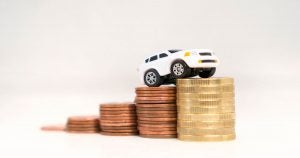
Miniature toy truck on top of stacked coins | Ellisville, MO

5 Tips for Setting Your New Car Budget

It's tough to figure out exactly how much car you can afford. You always want to be smart about budgeting for major purchases, which means spending only what you can realistically afford and being knowledgeable about financing options. Here are five tips for figuring out your budget for a new car. Know the Worth of Your Current Car There are many online resources for figuring out what your car is worth. Kelley Blue Book is a great place to research the value of your current car. Whether you decide to trade in your current vehicle for the new car you purchase at the dealership or sell it yourself, it's good to know what you can expect to get for it. Selling your car on your own can give you cash for a good down payment on your new car, which is always nice to have. Figure Out What Monthly Payment You Can Afford When deciding on your budget for a new car, you'll need to know what you can afford to pay monthly. You don't want to end up stuck with a regular monthly payment that you can't keep. Don't forget that this payment amount will include both the principal amount of the loan and your interest. There are three main factors to a car loan: the term length, down payment, and interest rate. Do some research to figure out what kinds of rates and terms are available before heading into the dealership. Be Prepared for a Good Down Payment Whether you use some savings or the cash from selling your previous car, putting up some money for a good down payment will help lower your monthly cost and can sometimes lead to better interest rates. Ideally, you'll want to be able to put up at least 20 percent of the price of your new car. Understand Your Payment Timeline You might find a loan option that offers really low monthly payments, but be aware of its term length. A longer-term car loan may give you low payments, but it means that the bank will own your car until you've paid it off, and you'll be paying interest for that whole term. If you can afford a higher monthly payment, it's better to own the car faster and get away from having a monthly payment at all. Decide on a Price Range Understanding interest rates, loan terms, and monthly payments will lead you to decide on a realistic price range for your new car. No matter which type of car you want, you'll need to start looking in the right price brackets. Don't waste time shopping for a $60,000 luxury vehicle if you can only afford a $15,000 car. Be careful to keep in mind other costs like insurance coverage, registration, maintenance, and more as you figure out what you can afford. Once you've decided on the right budget for you, head to Bommarito Mazda West County to check out our great selection of new vehicles. Our staff will be happy to work with you on financing to get you behind the wheel of the car you want. Image via Flickr by free pictures of money | CC BY 2.0.

5 Tips for Setting Your New Car Budget

It's tough to figure out exactly how much car you can afford. You always want to be smart about budgeting for major purchases, which means spending only what you can realistically afford and being knowledgeable about financing options. Here are five tips for figuring out your budget for a new car. Know the Worth of Your Current Car There are many online resources for figuring out what your car is worth. Kelley Blue Book is a great place to research the value of your current car. Whether you decide to trade in your current vehicle for the new car you purchase at the dealership or sell it yourself, it's good to know what you can expect to get for it. Selling your car on your own can give you cash for a good down payment on your new car, which is always nice to have. Figure Out What Monthly Payment You Can Afford When deciding on your budget for a new car, you'll need to know what you can afford to pay monthly. You don't want to end up stuck with a regular monthly payment that you can't keep. Don't forget that this payment amount will include both the principal amount of the loan and your interest. There are three main factors to a car loan: the term length, down payment, and interest rate. Do some research to figure out what kinds of rates and terms are available before heading into the dealership. Be Prepared for a Good Down Payment Whether you use some savings or the cash from selling your previous car, putting up some money for a good down payment will help lower your monthly cost and can sometimes lead to better interest rates. Ideally, you'll want to be able to put up at least 20 percent of the price of your new car. Understand Your Payment Timeline You might find a loan option that offers really low monthly payments, but be aware of its term length. A longer-term car loan may give you low payments, but it means that the bank will own your car until you've paid it off, and you'll be paying interest for that whole term. If you can afford a higher monthly payment, it's better to own the car faster and get away from having a monthly payment at all. Decide on a Price Range Understanding interest rates, loan terms, and monthly payments will lead you to decide on a realistic price range for your new car. No matter which type of car you want, you'll need to start looking in the right price brackets. Don't waste time shopping for a $60,000 luxury vehicle if you can only afford a $15,000 car. Be careful to keep in mind other costs like insurance coverage, registration, maintenance, and more as you figure out what you can afford. Once you've decided on the right budget for you, head to Bommarito Mazda West County to check out our great selection of new vehicles. Our staff will be happy to work with you on financing to get you behind the wheel of the car you want. Image via Flickr by free pictures of money | CC BY 2.0.

5 Top Tips for Dealing With Drivers With Road Rage

Driving on busy city streets or congested highways, especially during rush hour, can be a stressful experience. However, for some drivers, the roads become a battlefield. The slightest infringement of their space, intentional or not, will see them losing their temper and looking for revenge. Road rage is now all too common, so here are five tips for dealing with it. Drive Courteously None of us are perfect drivers and we all make mistakes. But you can strive to be a good driver. Treat other road users with respect — not just drivers, but pedestrians and cyclists also. Use your turn signals at intersections and before changing lanes. Make sure that any maneuver you plan to make is not going to impede anyone else. Don't use your horn unless it's really necessary, and never tailgate the driver in front. Stay Calm You should always try to stay calm when you're driving. Planning your route in advance and allowing plenty of time for the journey will help to keep your stress levels down. Tune into your favorite radio station or put on a relaxing playlist. If you do get held up and you're running late, getting stressed, frustrated, or angry about it is not going to get you to your destination any quicker. Try to accept the situation for what it is, turn the music up, think nice thoughts, and, above all, stay calm. It's Nothing Personal If you become aware of someone near you driving aggressively, give them plenty of space and don't antagonize them. Don't let their negative actions drag you into some kind of dispute — it's not personal. When you're being aggressively tailgated, don't change your speed or make gestures at the driver. If you get the opportunity and it's safe to do so, change lanes or pull over to let them pass. Similarly, if someone tries to cut you off, let them. What's it going to cost you? Trying to block them will only cause conflict. Smile Sometimes, all it takes to diffuse a difficult situation is a smile and a wave. If you make a mistake and cut someone off and they start pounding their horn, hold your hands up, smile, and let them know that you're sorry. They will have made their point and should be satisfied with your apology. You never know, you might even get a smile in return. Safety First If a situation escalates and an aggressive driver gets out of their car and heads toward you, try to stay calm. Lock the doors, roll up the windows, and, if you feel threatened, call the police. In most cases, the aggressor will just yell a lot. If they start to follow you in their car, drive toward a police station or a crowded place with security cameras. Don't lead them to your home or work. These tips should help you to deal with or prevent road rage incidents. If you are involved in a confrontation, allow yourself time to calm down before driving. Image via Flickr by Patrick Feller | CC BY 2.0.

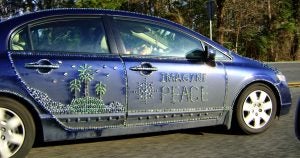
Blue car with the words imagine peace | Ellisville, MO

5 Top Tips for Dealing With Drivers With Road Rage

Driving on busy city streets or congested highways, especially during rush hour, can be a stressful experience. However, for some drivers, the roads become a battlefield. The slightest infringement of their space, intentional or not, will see them losing their temper and looking for revenge. Road rage is now all too common, so here are five tips for dealing with it. Drive Courteously None of us are perfect drivers and we all make mistakes. But you can strive to be a good driver. Treat other road users with respect — not just drivers, but pedestrians and cyclists also. Use your turn signals at intersections and before changing lanes. Make sure that any maneuver you plan to make is not going to impede anyone else. Don't use your horn unless it's really necessary, and never tailgate the driver in front. Stay Calm You should always try to stay calm when you're driving. Planning your route in advance and allowing plenty of time for the journey will help to keep your stress levels down. Tune into your favorite radio station or put on a relaxing playlist. If you do get held up and you're running late, getting stressed, frustrated, or angry about it is not going to get you to your destination any quicker. Try to accept the situation for what it is, turn the music up, think nice thoughts, and, above all, stay calm. It's Nothing Personal If you become aware of someone near you driving aggressively, give them plenty of space and don't antagonize them. Don't let their negative actions drag you into some kind of dispute — it's not personal. When you're being aggressively tailgated, don't change your speed or make gestures at the driver. If you get the opportunity and it's safe to do so, change lanes or pull over to let them pass. Similarly, if someone tries to cut you off, let them. What's it going to cost you? Trying to block them will only cause conflict. Smile Sometimes, all it takes to diffuse a difficult situation is a smile and a wave. If you make a mistake and cut someone off and they start pounding their horn, hold your hands up, smile, and let them know that you're sorry. They will have made their point and should be satisfied with your apology. You never know, you might even get a smile in return. Safety First If a situation escalates and an aggressive driver gets out of their car and heads toward you, try to stay calm. Lock the doors, roll up the windows, and, if you feel threatened, call the police. In most cases, the aggressor will just yell a lot. If they start to follow you in their car, drive toward a police station or a crowded place with security cameras. Don't lead them to your home or work. These tips should help you to deal with or prevent road rage incidents. If you are involved in a confrontation, allow yourself time to calm down before driving. Image via Flickr by Patrick Feller | CC BY 2.0.

Contact Us

Fill out this form below and we'll contact you shortly
*Required Fields